Cost-Effective Swimming Pool Repair for Year-Round Enjoyment
Budget-friendly swimming pool service is essential for preserving a working and pleasant outdoor space. Consistent care and immediate attention can ward off minor issues from growing into major expenses. Pool owners often miss common problems that can jeopardize water quality and safety. Grasping the intricacies of DIY repairs and discovering reliable local services can markedly cut costs. However, many still ponder about the optimal methods to assure their pools remain inviting year-round.
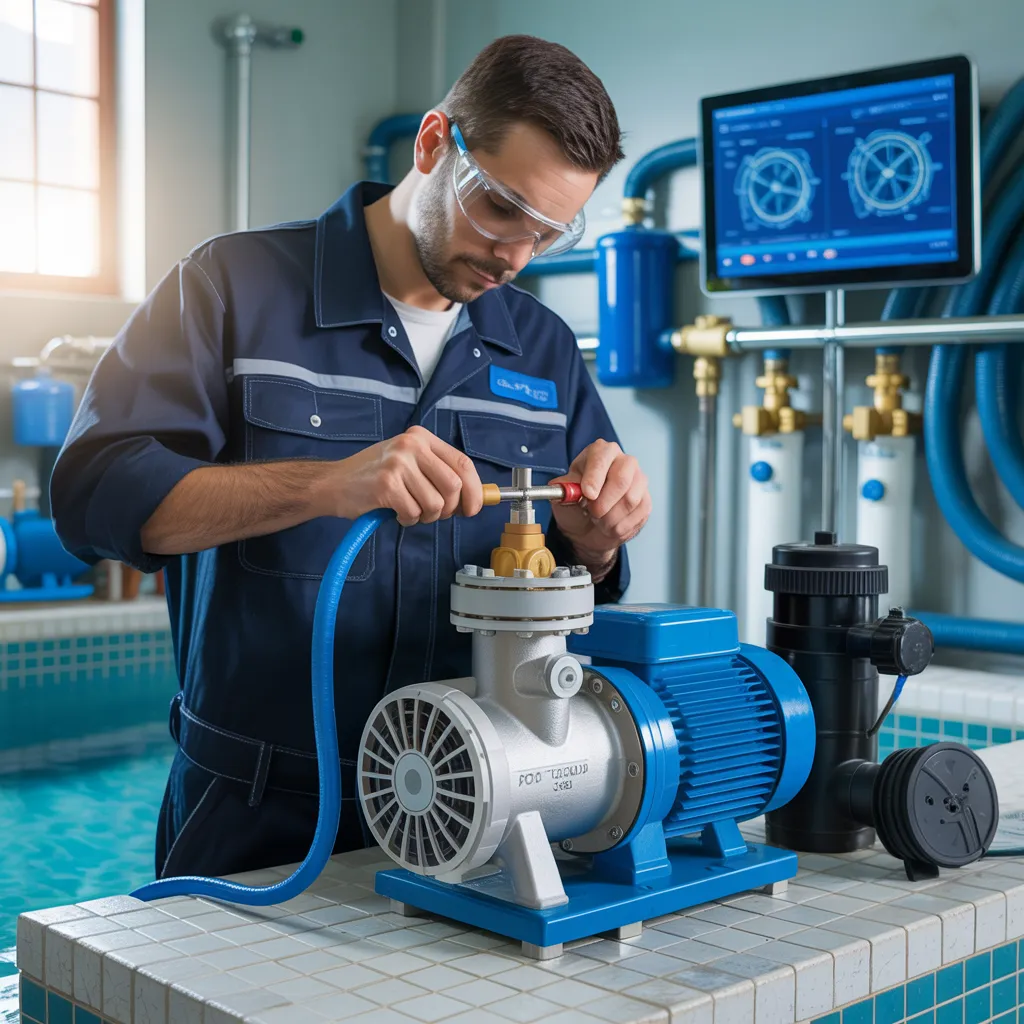
Frequent Pool Concerns
Swimming pool owners often experience a variety of routine troubles that require attention. One dominant problem is water clarity, often originating from weak filtering systems or skewed chemical readings. Algal blooms growth can also pose challenges, thriving in warm weather and poorly preserved water. In addition, ruptures are a frequent matter, potentially causing to considerable water loss and boosted utility costs.
One problem is the wear and tear of pool surfaces, such as splits in the plaster or tiles, which can compromise aesthetics and safety. Equipment problems, including pump breakdowns or heater complications, often disrupt pool enjoyment and necessitate timely repairs. Finally, debris buildup from leaves, dirt, and insects can affect water quality and require frequent cleaning. Tackling these common problems promptly ensures not only a safe swimming environment but also extends the life of the pool and its components, allowing for continued enjoyment throughout the swimming season.
DIY Repair Techniques
Undertaking pool maintenance can be a rewarding project for homeowners looking to reduce expenses and improve their maintenance skills. Typical problems, such as pool liner leaks or tile cracks, can be effectively managed with DIY techniques. For example, patching a vinyl liner can be done using a simple repair kit, ensuring a watertight seal. Homeowners can also tackle small cracks in plaster or concrete pools with epoxy-based fillers, offering a durable solution.
Cleaning and maintaining pool filters is another important DIY task, which can boost water circulation and clarity. Additionally, replacing broken or broken pool equipment, like pump parts or skimmers, often requires only basic tools and support from online resources. By acquiring these skills, homeowners not only save on repair costs but also gain a deeper understanding of their pool's mechanics, contributing to a more enjoyable swimming experience year-round.
Cost-Effective Seasonal Pool Maintenance Advice
Affordable seasonal pool upkeep is essential for prolonging a pool's life and maintaining water quality. Regular water testing, effective filter cleaning, and using seasonal covers can greatly reduce repair costs over time. Adopting these strategies helps maintain a pristine and secure swimming environment while staying within budget.
Frequent Water evaluation
Maintaining proper chemical equilibrium is essential for keeping a healthy swimming pool in good condition. Consistent pool testing allows pool owners to track pH levels, alkalinity, and chlorine concentration, ensuring that the water stays safe and enjoyable. By testing water at least once a week, owners can detect imbalances promptly, avoiding expensive damage and water quality issues. Test kits are widely available and provide quick results, allowing it simple to modify chemical compositions as needed. Additionally, tracking mineral content prevents buildup and deterioration, extending the lifespan of pool equipment. Establishing a regular testing schedule not only enhances the swimming experience but also creates a safe environment for family and friends, making it a significant aspect of pool maintenance.
Effective Filter Care
Preserving a clean filter is essential for optimal pool productivity and persistence. Periodic cleaning prevents debris buildup, which may produce impaired water movement and magnified energy costs. Pool owners should consider maintaining the filter every 4 to 6 weeks, in light of usage and environmental situations. A straightforward rinse with a hose can effectively remove surface dirt, whereas a deeper clean might require soaking in a dedicated solution for a few hours. Likewise, evaluating and replenishing filter cartridges as needed will guarantee excellent filtration. Keeping the filter clean not merely enhances water transparency but equally lengthens the lifespan of the pool equipment, ultimately producing minimal maintenance outlays and a more satisfying swimming experience year-round.
Seasonal Cover Use
Using a premium pool cover can greatly enhance pool upkeep while reducing costs. These covers act as a shield against unwanted materials, reducing the need for frequent cleaning and chemical treatments. By preventing debris, leaves, and pests from getting into the pool, owners can reduce expenses for filter maintenance and water usage. Additionally, a properly sized cover helps retain heat, lowering heating expenses during winter. Pool covers also shield the pool structure from severe weather conditions, possibly increasing its lifespan. To maximize benefits, it is important to choose a long-lasting, UV-resistant material that fits the pool tightly. Consistently checking and maintaining the cover ensures its effectiveness, enabling affordable and effective year-round pool enjoyment while reducing repair costs over time.
Cost-effective Pool Repair Services
When homeowners identify damage or imperfections in their swimming pools, they often investigate reasonable pool repair services to repair their oasis without breaking the bank. These services cater to a range of issues, from light repairs to more extensive structural harm. Many companies supply attractive pricing, ensuring that pool preservation remains available throughout the year.
Property owners should look for local contractors with positive feedback and clear pricing structures. Some companies may extend complimentary quotes, permitting homeowners to plan finances before committing to repairs. Additionally, promotional discounts can decrease expenses, simplifying the process of managing urgent repairs.
Essential Tools for DIY Swimming Pool Maintenance
When performing DIY pool repairs, having the right tools is vital for safety and efficiency. Basic repair tools, such as wrenches and sealants, establish the basis of any repair kit, while safety equipment ensures protection during the process. Understanding these essential items can empower homeowners to tackle repairs with confidence.
Core Service Tools Needed
A well-equipped toolbox is crucial for anyone tackling do-it-yourself swimming pool maintenance. Key tools include a mallet with rubber head, which helps adjust connections without damaging components, and a wrench collection for tightening and loosening various components. A screwdriver set is also vital, as it allows the fixing of swimming pool panels and gear. For stopping water leaks, a caulk gun and waterproof sealant are required. A pool brush helps with cleaning surfaces before repairs, while a underwater pump can help remove excess water. Additionally, a multi-purpose knife is handy for material cutting like liners for examination pools. By having these basic tools on hand, pool owners can efficiently address typical maintenance problems and maintain their swimming pools year-round.
Core Safeguard Apparatus
Having safety equipment is critical for anyone performing DIY pool repairs, to ensure both protection and compliance with safety standards. Proper gear involves safety goggles to protect the eyes from debris and chemicals, gloves to guard hands against sharp objects and irritants, and sturdy footwear to prevent slips and injuries. Wearing a hard hat is recommended when working in areas with overhead hazards. Additionally, a first-aid kit should be conveniently located for minor injuries. Individuals dealing with electrical components need insulated tools and a voltage tester to prevent electric shock. By equipping themselves with these essentials, DIY enthusiasts can enhance their safety while effectively tackling pool repair tasks. Prioritizing safety ultimately leads to a more pleasant repair experience.
Preventing Major Pool Repairs
Upkeep acts as the foundation for preventing major pool restoration. By adhering to a regular upkeep schedule, pool owners can detect and resolve potential issues before they worsen. Routine tasks such as removing leaves, cleaning filters, and balancing water chemistry are vital. Neglecting these simple actions may lead to more severe problems, including algae growth or system breakdown.
Furthermore, evaluating pool components—such as pumps, heaters, and liners—on a routine basis can catch wear and tear early. Resolving minor leaks or cracks promptly can avoid costly repairs down the line. Ensuring proper water levels and circulation helps sustain the structural integrity of the pool.
Additionally, allocating time in seasonal readiness, like winterizing, can defend the pool against environmental harm. In the final analysis, careful maintenance not only boosts the pool's longevity but also safeguards the owner's expenditure, confirming perpetual enjoyment for years to come.
Frequently Asked Questions
What Steps Should I Take to Connect With a Quality Pool Maintenance Specialist In My Region?
To find a dependable pool repair service nearby, one can consult online reviews, ask for recommendations from friends, and check local business directories. Reviewing estimates and validating credentials also assures quality and trustworthiness in service.
What Are the Signs My Pool Requires Immediate Maintenance?
Indicators that a swimming pool requires urgent repair include visible cracks, water seepage, cloudy water, strange sounds from equipment, and continuous algae buildup. Tackling these issues quickly can prevent additional deterioration and ensure safe swimming conditions.
Can you get warranties when hiring pool repair services?
Yes, many swimming pool repair companies provide protection covering parts and labor. These protection plans can vary in period and terms, so it's critical for residents to ask for details specifics before committing to any repair service.
What Often Should I Monitor My Pool for Issues?
Inspections of a pool should occur at least once a month on a regular basis. However, seasonal fluctuations or intense use may necessitate more frequent inspections to spot potential problems early and ensure optimal maintenance and safety.
What Is the Average Cost of a Pool Maintenance?
The typical cost for pool service usually spans between $150 and $1,500, subject to the problem's severity and variety. Elements including location and the contractor's skill level can greatly impact overall costs.